
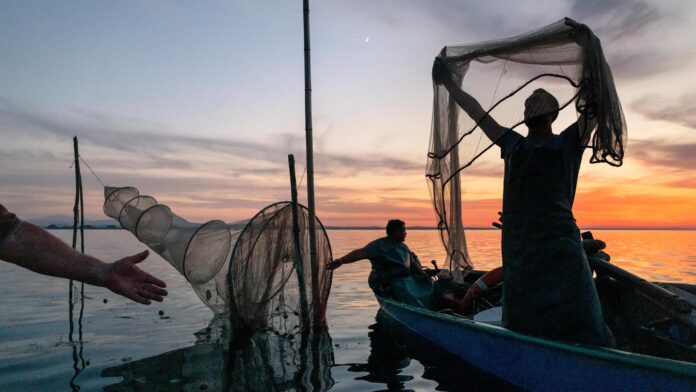
Steve McCurry has now turned his lens on Umbria. Born in 1950, the American photographer has won four World Press Photo awards for his photographs taken in Iran, Cambodia, Lebanon and Afghanistan. He has just unveiled his new photographic project, Spirituality, once again following a thread of green that recalls the eyes of a beautiful 12-year-old Pashtun girl he glimpsed by chance one day in 1984, through the opening of a tent at the Nasir Bagh refugee camp on the Afghanistan-Pakistan border. She became the subject of his most famous portrait.
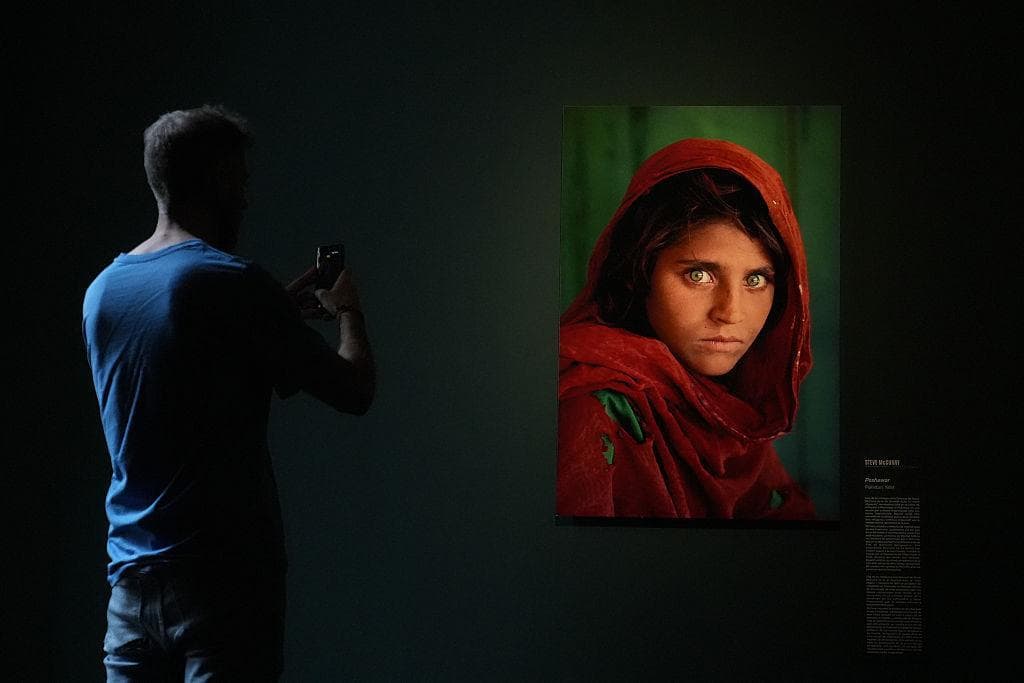
This time, that same colour tells the story of the landscapes of one of McCurry’s favourite Italian regions, captured in a series of previously unseen photographs on display at the Pietro Vannucci Academy of Fine Arts in Perugia until 10 January 2027.
McCurry, how did your relationship with this Italian region begin?
“Umbria is a land of spirituality, which permeates its places, its people and everyday life. My project, curated by Paul Henry Robb, was intended as a photographic exploration of the spiritual dimension: in places of worship, in the dignity of everyday gestures, in the light and in the connection between people and the land, and in the stillness that takes on a transcendent quality in this part of central Italy.
“All of this led to the workshop I ran last summer with seven professional photographers and two students from the Academy of Fine Arts in Perugia. Working closely together every day allowed me to share my approach to photography with them, one rooted in patience, curiosity and human connection.”
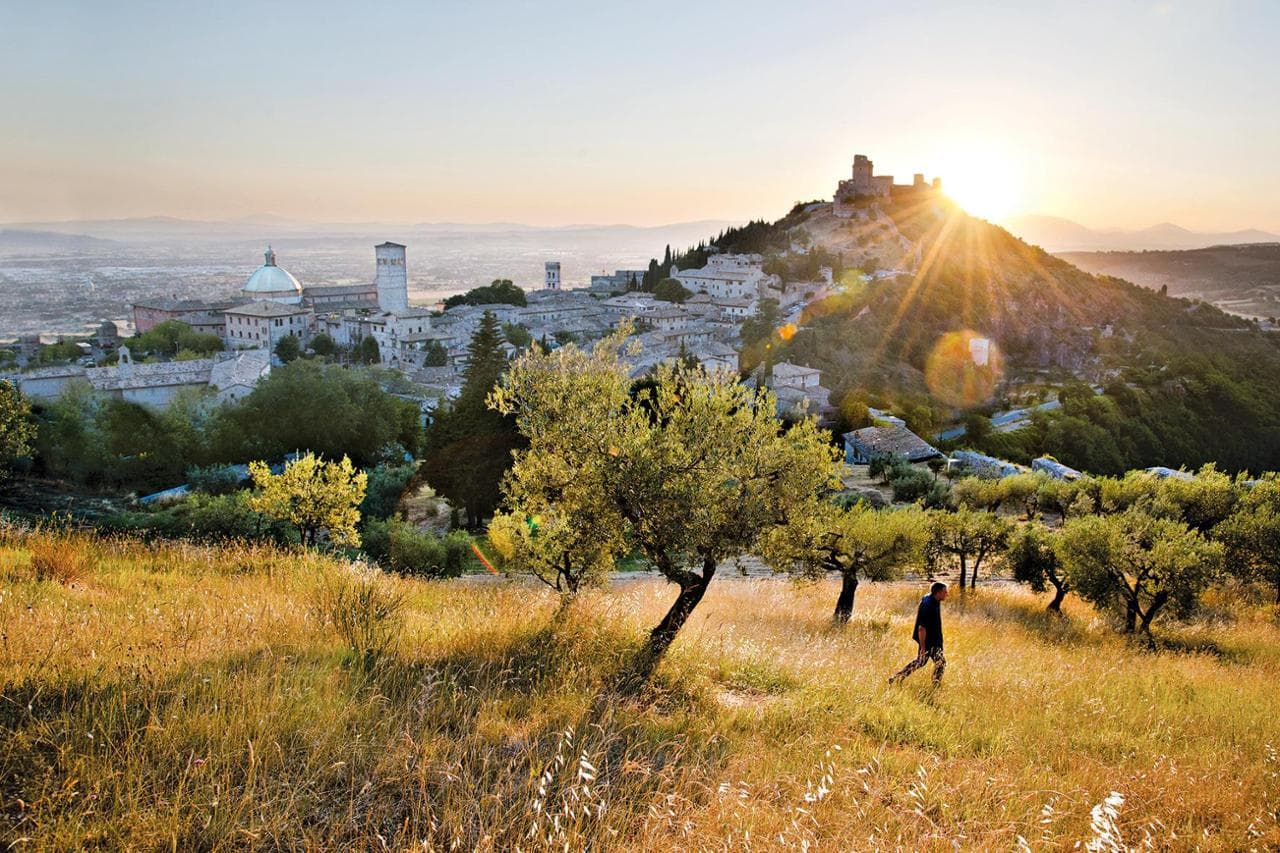
The hilltop town of Assisi, with the medieval Rocca Maggiore fortress in the background, photographed by Steve McCurry
Does photography begin with patience rather than curiosity?
“Photography begins with paying attention. Before we even pick up a camera, we need to stop, listen and give a person or a place time to reveal something of itself. In Umbria, spirituality reveals itself in everyday life: in a gesture, a face, a shaft of light. The workshop grew out of this kind of attentiveness, which inevitably requires a great deal of patience.”
You have returned to photographing and telling the story of Italy, a country you love and have been visiting since 1969. You even gave your only daughter, eight-year-old Lucia, an Italian name. But what comes first for you: people or places?
“They go hand in hand. Photography is, in many ways, a form of visual anthropology. It is about observing people, cultures and traditions, and preserving those moments as part of our collective history. A photograph can become a record of how people live, how they celebrate, how they persevere and how they adapt to a place. In that sense, photography is both art and documentation.”
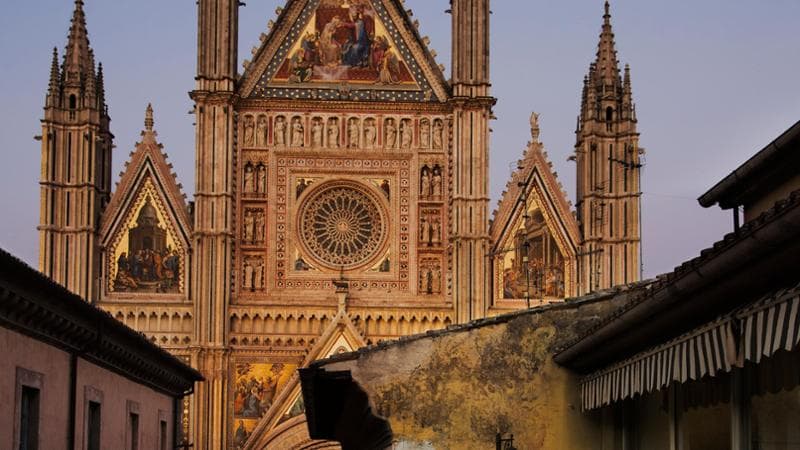
In your project on Umbria, the images you selected are accompanied by seven words that represent your work, past and present: look, perceive, observe, step away, reinterpret, disconnect and stay.
“Above all, stay. Since my daughter was born, I’ve become much more settled because I want to be there for her and capture every moment of her life. She really is my favourite subject. I took my first photograph of Lucia just one second after she was born, and the latest one an hour ago. Her arrival changed our lives.”
Has becoming a father changed the way you work as a photographer?
“Since my daughter came into my life, the way I point my camera at the world — and the way I experience the world in general — has changed. In the past, when I was taking photographs, I was thinking mainly about myself, my emotions and my reactions. Now I can’t help thinking that the reality I’m photographing is the world we will leave to her.”
Unlike many of your fellow photographers, you’ve always said you aren’t at all afraid of smartphones, which have made photography more accessible than ever, while also making it easier to manipulate images.
“I think it’s a good thing that everyone has the opportunity to capture the world around them. The only thing I find a little ridiculous is selfie sticks. But constantly taking photographs is a positive thing, as long as we don’t forget to live. The urge to capture a moment shouldn’t take time away from living. If anything, it should enrich our lives.
“Photographs now circulate much faster and reach everywhere, and I still believe in the power of images to tell a story. That’s what I’ve done all my life: document reality. As long as it isn’t altered by AI. That’s the real danger today.”

So what do you think about the use of artificial intelligence in photography?
“AI can produce beautiful images, but in that case they are works of fiction. And that should be made clear. Adjusting the light, colours and contrast is not the same as inventing elements that weren’t there.
“Today, more than ever, we need to protect the integrity of photographic evidence, and that’s also a key focus of my work with young people. My message to them is simple: only publish what you’ve actually seen and photographed.”